
Roller Compactor Dry Granulator
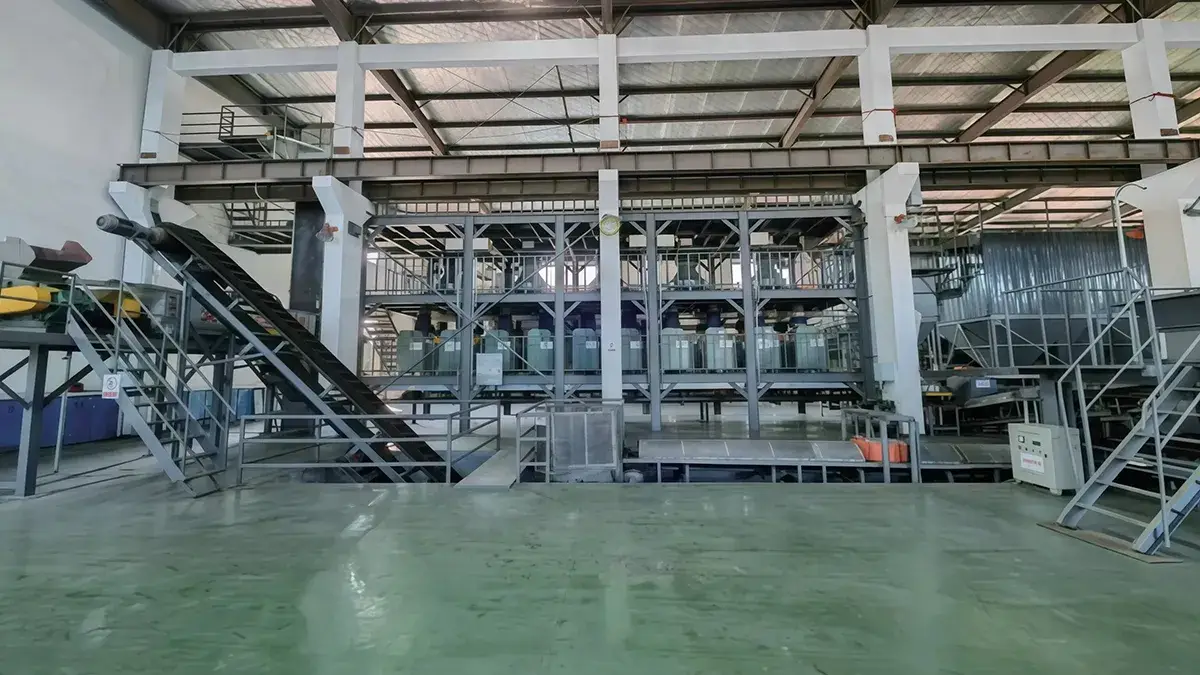
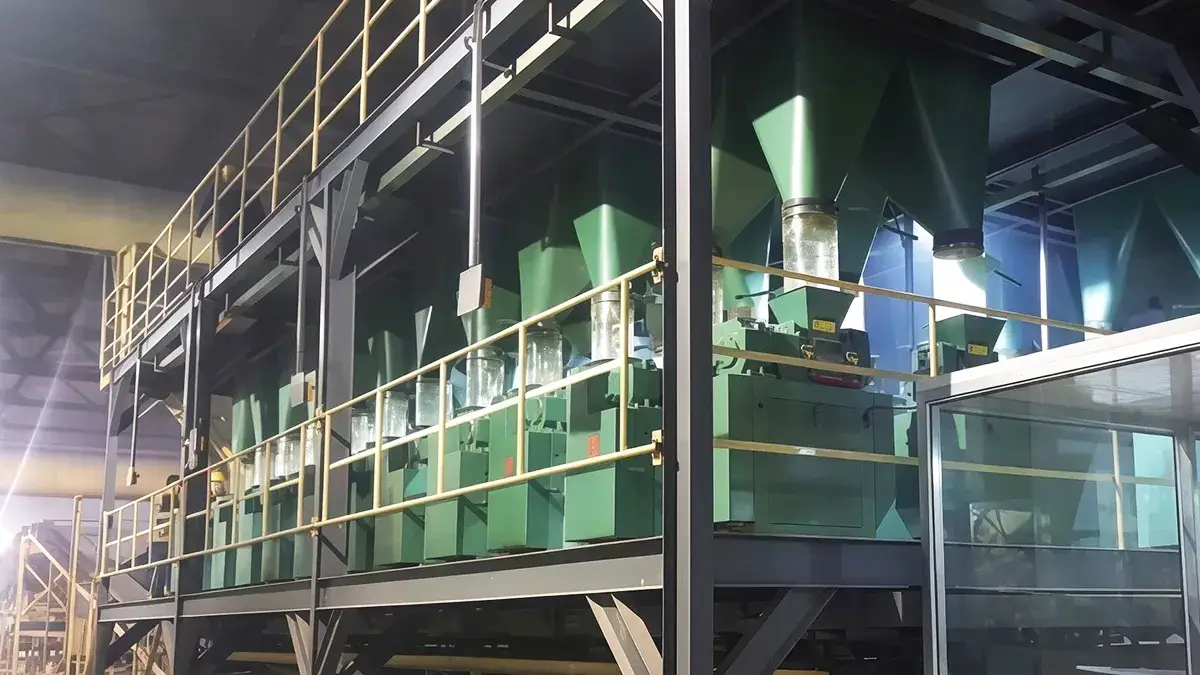
The roller compactor dry granulator produces fertilizer granules through compaction process without steam, or binders.High mechanical pressure removes the air between particles and compresses powdered materials into dense flakes as an intermediate product. The flakes are then crushed and screened into uniform granules, well suited for heat-sensitive products and moisture-sensitive formulations.
The roller compactor can process a wide range of fertilizer formulations, including high-phosphorus, high-nitrogen, high-potassium, balanced NPK, and water-soluble fertilizers. It can process both single-material and multi-component fertilizer formulations. Different roller moulds are available to produce granules in various sizes to fit different product specifications and requirements.
- Dry Granulation Process
Granules are formed through mechanical compaction without water, steam, or binders. The finished product maintains high purity while reducing the cost of additional additives.
- Suitable for Various Fertilizer Formulations
Supports the production of high-phosphorus, high-nitrogen, high-potassium, balanced NPK, water-soluble fertilizers, and other compound fertilizer products.
- Lower Storage and Transportation Costs
Uniform granules are easier to handle, package, store, and transport while reducing product loss during logistics.
- Cleaner Production
Stable granules generate less dust during downstream handling and processing, improving the working environment and reducing material waste.
- Flexible Particle Size
Granule size can be adjusted by changing the roller moulds to meet different production and market requirements.
- Room-Temperature Granulation
The entire roll compaction process operates without external heating, making it suitable for heat-sensitive materials and formulations that may degrade at elevated temperatures.
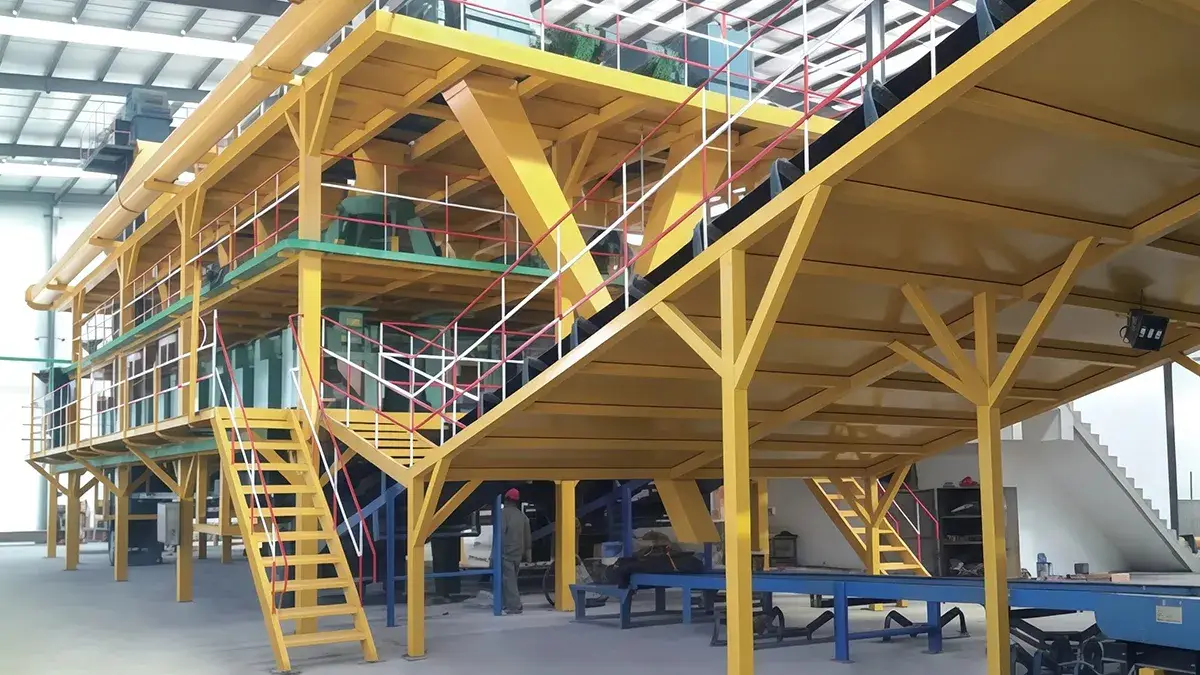
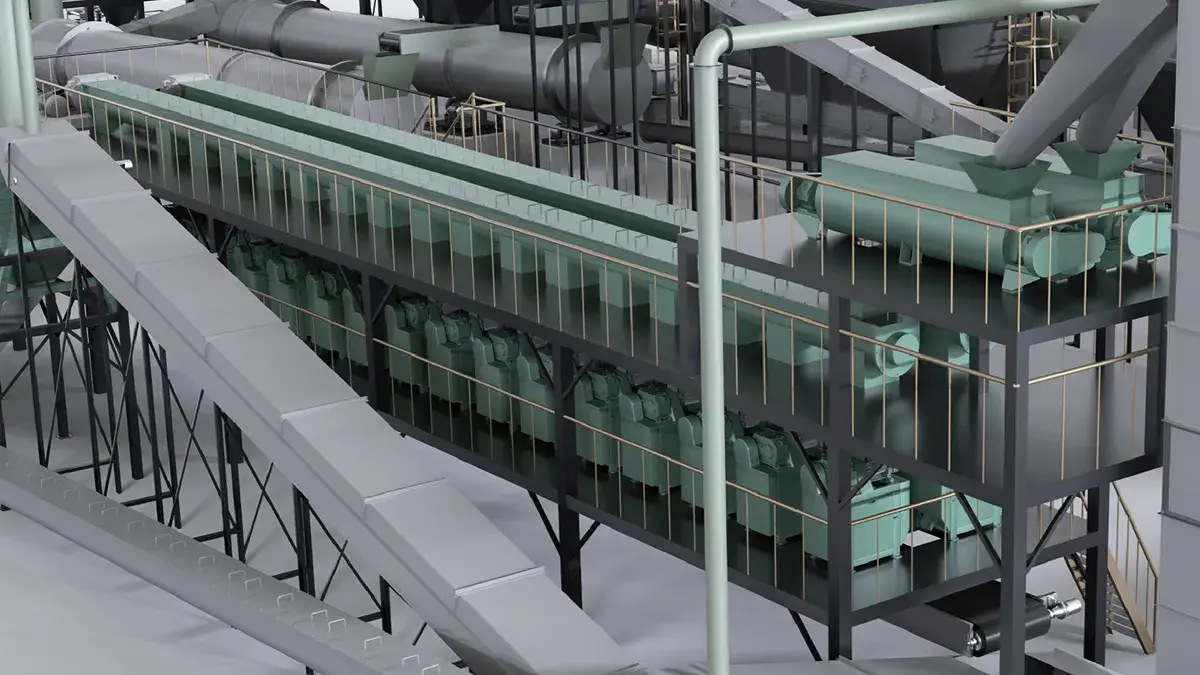
- Compact Production Layout
The integrated process reduces equipment footprint and supports efficient material flow from feeding to granule discharge.
- High Level of Automation
A smart control system simplifies operation, minimizes manual intervention, and supports stable, continuous production.